
Recap of the LNVH Affiliates' Meeting
On Monday, november 9, the 2026 LNVH Affiliates’ Meeting took place in Hotel Arena in Amsterdam. This year's theme was Leading the change. Women's health in academia. While the programme offered plenty of food for thought, the Affiliates’ Meeting was equally valuable as a networking opportunity. During a delicious three-course dinner, attendees exchanged ideas, shared experiences, and strengthened existing relationships while forging new ones. It was inspiring to see how easily conversations developed across institutions and disciplines. The lively conversations throughout the evening - both at the tables as plenary - reflected the strength of the LNVH community and made the event a truly memorable gathering.
The evening was beautifully captured by our photographer, Melanie Lemahieu. A selection of her photographs can be viewed at the bottom of this page.
Theme of the evening
Women's health is increasingly recognized as a crucial factor in creating inclusive, sustainable, and equitable work environments. Yet many health issues that arise at different life stages (such as pregnancy, menstrual health, and menopause) still receive insufficient attention in policy and workplace culture. During this year's Affiliates' Meeting, we explored how academic institutions can better support their staff, promote sustainable careers, and translate new insights into meaningful changes in policy and practice
Keynote lecture by Jo Brewis
After a word of welcome by moderator Femke Wolthuis, Jo Brewis delivered the keynote speech. In her presentation, Jo highlighted why menopause should be recognised as an important workplace issue and what organisations can do to better support menopausal employees. Her presentation drew on research showing that menopausal symptoms are common and can have a significant impact on employees' wellbeing, performance, and career progression. For example, studies cited indicate that around 80% of female employees experience menopausal symptoms, with common symptoms including sleep disturbances, fatigue, muscle and joint pain, hot flushes, and reduced concentration.
Jo argues that menopause is not only a health issue but also a demographic, legal, economic, and equality issue. Menopausal symptoms can contribute to reduced work ability, absenteeism, decreased working hours, and even employees leaving the workforce. At the same time, inadequate workplace support can exacerbate stress and other symptoms, creating a two-way relationship between work conditions and menopausal experiences. She also challenges exclusively negative narratives around menopause. Some people experience positive changes, including freedom from menstruation and pregnancy concerns, increased confidence, greater assertiveness, stronger self-belief, and reduced concern about appearance.
According to Jo, to create menopause-inclusive workplaces, organisations should adopt evidence-based and employee-centred approaches. Key recommendations include ensuring that disclosure remains a personal choice, increasing awareness across the organisation, training managers, gathering employee feedback, providing flexible working arrangements, and avoiding assumptions or stereotypes. Organisations should also consider practical adjustments such as improved temperature control, access to cold drinking water, appropriate uniforms, rest areas, ergonomic assessments, and clear support pathways. Many of these measures benefit a wider range of employees, not only those experiencing menopause.
Want to learn more?
Jo recommended the following resources:
- Menopause Friendly UK
- Menopause Information Pack for Organisations (MIPO)
- Wales TUC Cymru Menopause Toolkit:
- ISO Guidance on Menopause and Menstrual Health in the Workplace
- Conti, Gabriella, Ginja, Rita, Persson, Petra, Willage, Barton, 2026, "The Menopause 'Penalty'", CESifo Working Papers No. 11761, CESifo, Munich.
After Jo Brewis' keynote, prof. Yvonne Benschop, Chair of LNVH and prof. Sarah Giest, LNVH board member, presented the LNVH Distinghuised Women of Science (DWSF) and Advancing Women in Biology (AWIB) grants to this year’s laureates.
Read more about the DWSF laureates and their research, and about the AWIB laureates and their research.
Presentations by prof. Tinka van Vuuren and Filip De Groeve
After the award ceremonies, prof. Tinka van Vuuren and Filip De Groeve, adressed the theme from their respective areas of expertise - vitality management and breaking taboos - in short presentations.
Tinka argued that sustainable employability depends on the balance between employees’ health, abilities, motivation, and the demands of work and society. It consists of three interconnected elements: vitality, employability, and work ability. A key message was that women’s health differs from men’s health in important ways. Women experience gender-specific health issues such as menstruation, pregnancy, and menopause, while many other conditions present differently or affect women disproportionately. These differences help explain why sickness absence rates are generally higher among women and why more attention to women’s health is needed in workplaces. She concluded that improving women’s health is both a wellbeing and an economic issue. Organisations can support employees through better workplace culture, tailored support services, and practical adjustments, while employees themselves can invest in knowledge, personal development, and healthy lifestyles.
Filip addressed the role of language, stigma, and taboo in discussions about women’s health and menopause. He demonstrated how taboos emerge from social norms and values and can lead to silence, censorship, and avoidance of important conversations. He showed that many people still find topics such as menstruation and menopause uncomfortable to discuss, including in workplace settings. This reluctance can prevent people from seeking support, voicing concerns, or obtaining appropriate care. His central message was that organisations should create environments built on trust, listening, empathy, connection, and psychological safety. Managers and colleagues should acknowledge concerns openly, adapt communication to the individual’s comfort level, and encourage conversations rather than avoiding them. As he concluded: “Taboos thrive in silence.”
Governance perspective by prof. Anniek de Ruijter and prof. Saskia Peerdeman
Following the presentations by Tinka van Vuuren and Filip De Groeve, Prof. Anniek de Ruijter, Professor of Health Law and Policy and Rector Magnificus of the University of Amsterdam, and Prof. Saskia Peerdeman, Professor of Neurosurgery, member of the Executive Board of Amsterdam UMC and Dean of the Faculty of Medicine at VU Amsterdam, joined the discussion to reflect on the theme from a governance and leadership perspective.
Prof. de Ruijter argued for a more "holistic" approach to women’s health, emphasizing that many aspects of women’s health should not be viewed through the lens of disease, but as natural stages and experiences throughout life that organisations and policymakers need to take into account. Prof. Peerdeman shared several initiatives currently being developed and implemented within her institution to increase awareness of women’s health issues and to create a more supportive environment for staff and students.
Panel discussion
During the panel discussion, Jo, Tinka, and Filip, together with affiliates in the audience, explored how to talk about women's health issues in the workplace and what kinds of policies institutions should develop to better support women’s health, enabling future generations of women to navigate their careers more easily.
LNVH looks back on a very inspiring evening, but recognises that this event marks only the beginning of a broader conversation. Lasting change must be embedded within institutions and supported by a wide range of stakeholders. Such change starts with awareness. The LNVH will therefore continue to advocate for greater awareness of women’s health and for policies that take women’s health into account, while fostering dialogue and sharing best practices across the academic community.
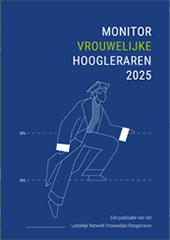
WOMEN PROFESSORS MONITOR 2025
The average percentage of women professors at universities in the Netherlands is 29.9%.
Join LNVH
Women professors and associate professors can join the LNVH.
Newsletter
LNVH’s public newsletter is issued on a monthly basis and contains information relating to the LNVH and general news items.