
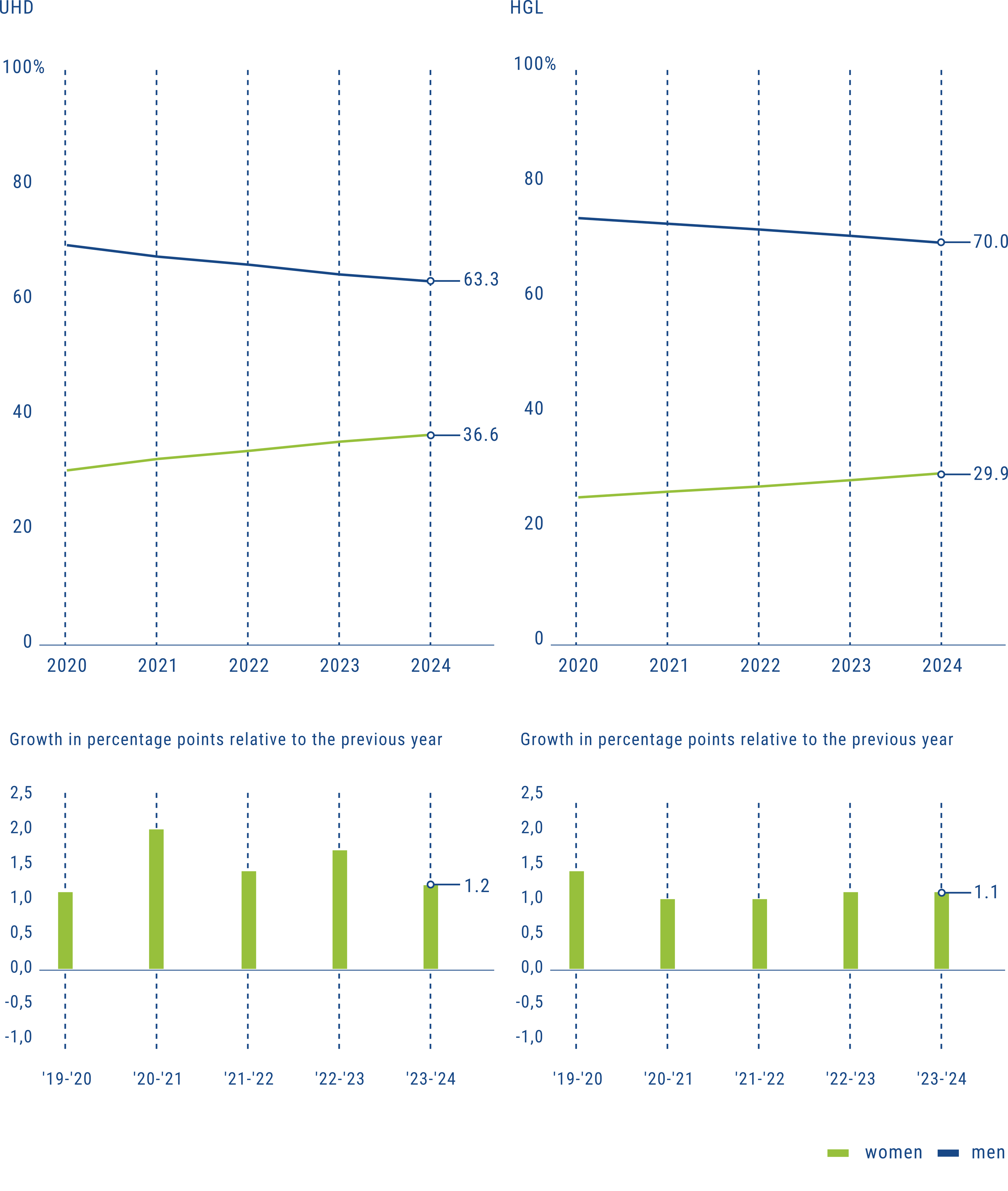
By the end of 2024, 29.9% of full professors were women. This means the symbolic 30%
threshold - often regarded as the critical mass for structural change - has almost been
reached  . A significant step forward; the result of years of sustained effort.
Yet, there is no room for complacency. Growth remains modest and unevenly distributed.
Without additional measures, gender parity will likely take another twenty years. Persistent
bottlenecks continue to hinder career progression, particularly in the transitions from assistant
to associate professor and from associate professor to full professor.
This Monitor demonstrates that opportunities exist: the pool of women associate professors is
substantial. Universities must seize this potential and invest in robust promotion and
appointment policies that lead to visible and structural change.
At the same time, forecasts sound a warning: the sector-wide target of 31.2% by the end of 2025
will likely not be achieved. Additional local initiatives and targeted policies are essential. All this
unfolds against a backdrop of declining political support and budget cuts in higher education
and research—factors that could seriously undermine progress.
We still hear: “Surely women have made it in academia by now?”. The numbers tell a different
story. This Monitor once again takes you through the current state of affairs, the challenges, and
the opportunities for building an inclusive academic world.
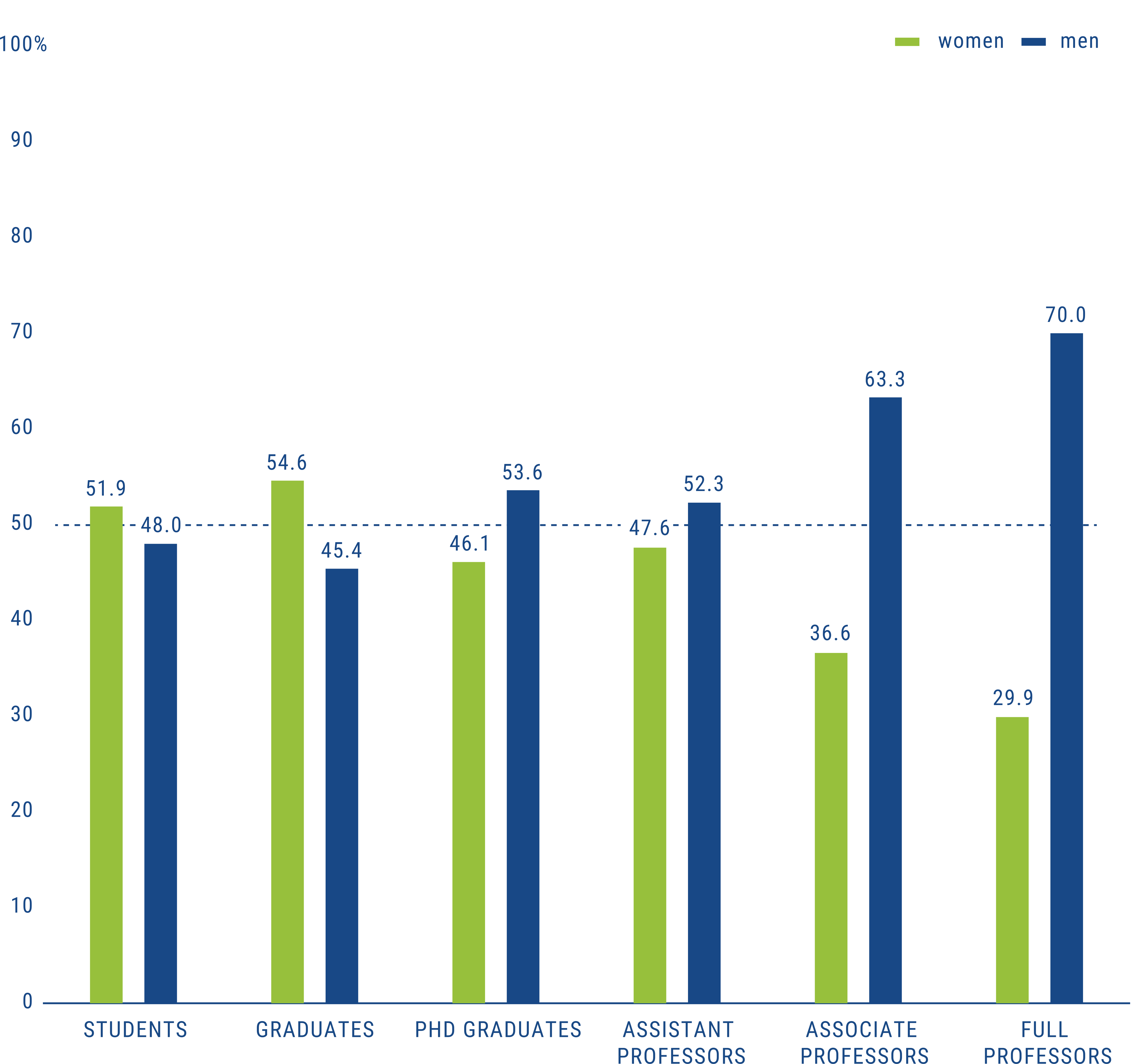
The proportion of women declines sharply at successive academic ranks, particularly in senior positions. Nevertheless, by the end of 2024, all categories- from students to full professors - showed a slight increase in the overall share of women. Women constitute just over half of students (51.9%) and graduates (54.6%), but their representation decreases in subsequent academic positions. After graduation (54.6% women), the share falls to 46.1% among PhD candidates. It increases slightly to 47.9% among assistant professors, but then drops steeply: 36.6% among associate professors and only 29.9% among full professors.
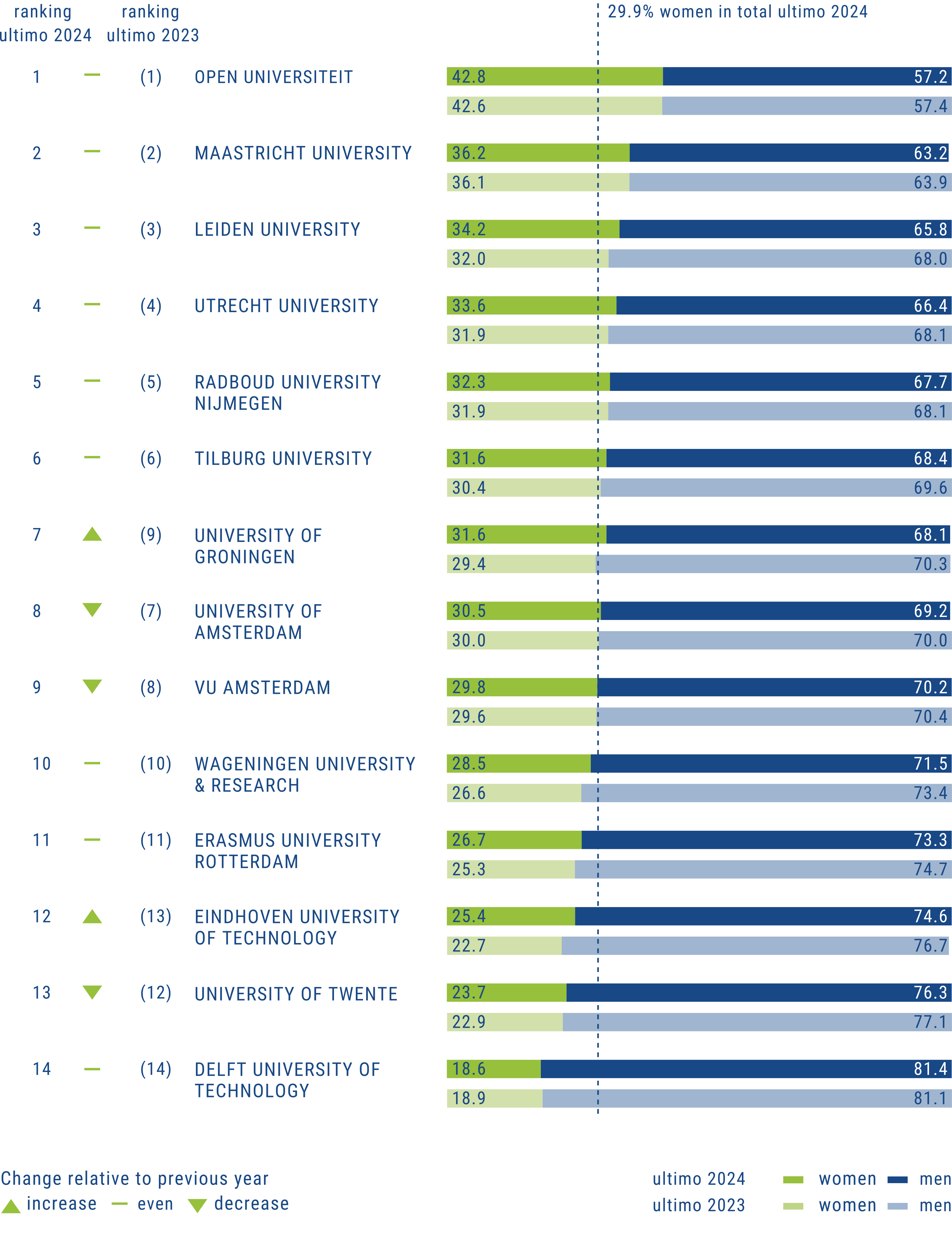
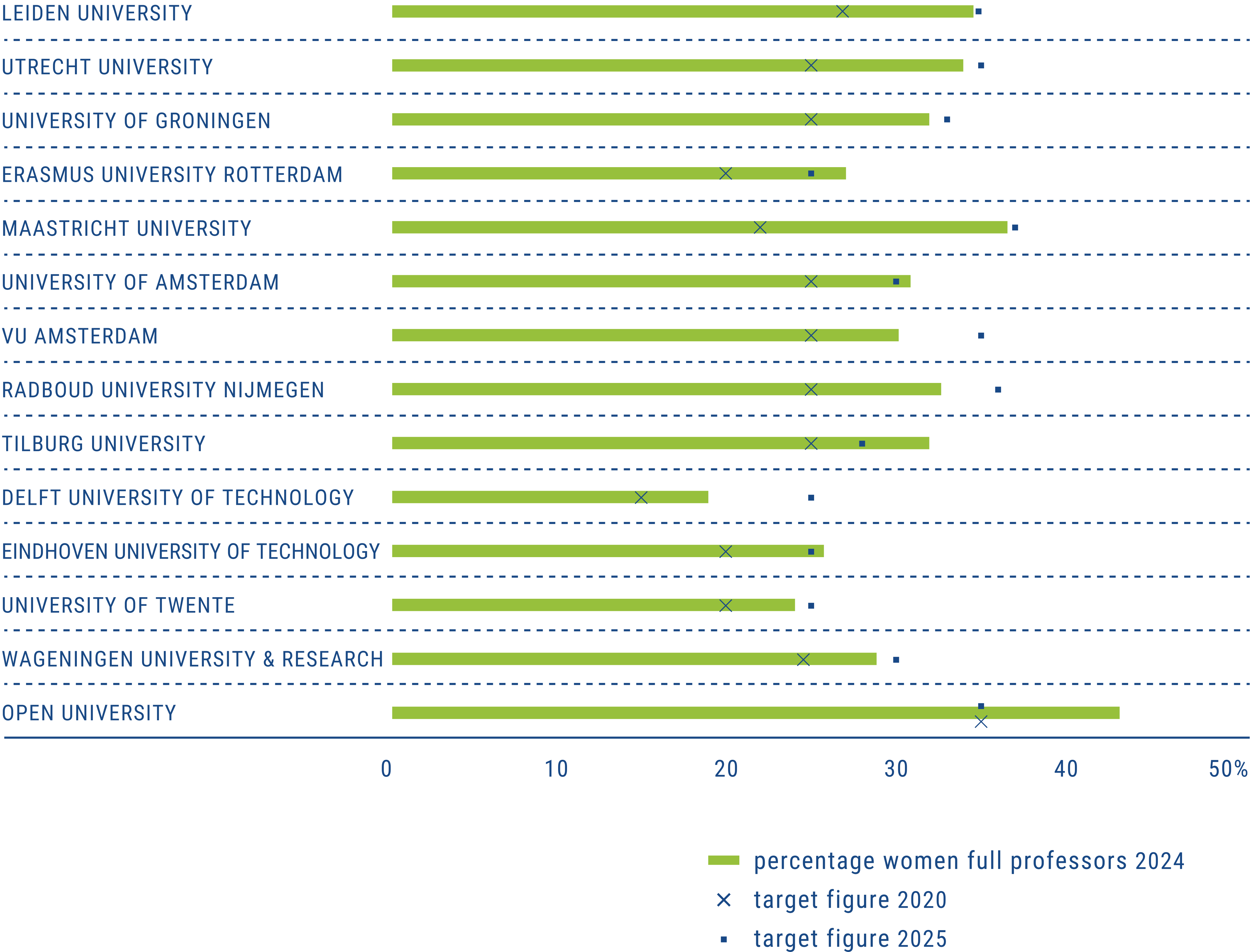
Of the 14 universities, 13 recorded an increase in the share of women full professors
between the end of 2023 and the end of 2024. The sole exception was Delft University of
Technology, where the proportion declined slightly by 0.4 percentage points. Growth,
however, varied considerably across institutions: Maastricht University saw a marginal rise
of 0.1 percentage points, while Eindhoven University of Technology achieved a relatively
strong increase of 2.8 percentage points. Overall, these gains remain moderate, with no
pronounced outliers.
Among the universities with below-average growth - less than 1.2 percentage points - are
the University of Amsterdam, Maastricht University, Vrije Universiteit Amsterdam, Radboud
University Nijmegen, the University of Twente, and the Open University. By the end of 2024,
eight universities had surpassed the 30% mark for women professors, compared to seven
in 2023. The University of Groningen crossed the 30% threshold for the first time in the
history of the Monitor .
The Open University continues to lead the ranking in 2024, with 42.8% women professors,
an increase of 0.2 percentage points compared to 2023. The top three is further composed
of Maastricht University (36.2%) and Leiden University (34.2%). Delft University of
Technology, with a slight decline from 18.9% in 2023 to 18.6% in 2024, remains at the
bottom of the list.
By the end of 2024, we are one year away from the 2025 benchmark for which universities have
set their current targets. At the sector level, the critical mass has been reached, but the target of
31.2% has not; a gap of 1.3 percentage points remains. Five universities have already achieved
their goal: Erasmus University Rotterdam, the University of Amsterdam, Tilburg University,
Eindhoven University of Technology, and the Open University. For the remaining nine, the
shortfall ranges from 0.8 percentage points (Leiden University) to 6.4 (TU Delft).
Forecasts based on last year’s growth suggest that the sector target will likely fall just short: the
expected share is 31.0%. In that scenario, five universities would miss their target, collectively
needing to bridge 16.3 percentage points. Based on average growth since 2019, as many as
seven universities would fail to meet their goal (a total gap of 15.6 percentage points). Clearly,
additional effort is required.
With the 30% threshold now reached, universities are looking ahead. At the request of LNVH, new targets have been set for 2030: a sector average of 36.9% women professors. Individual goals range from 25% (TU Delft) to 50% (Utrecht University) - the latter being the midpoint of the 40–60% range adopted by that institution. These ambitious benchmarks are crucial for accelerating progress, particularly now that budget cuts and declining political support for gender equality are putting pressure on the sector.
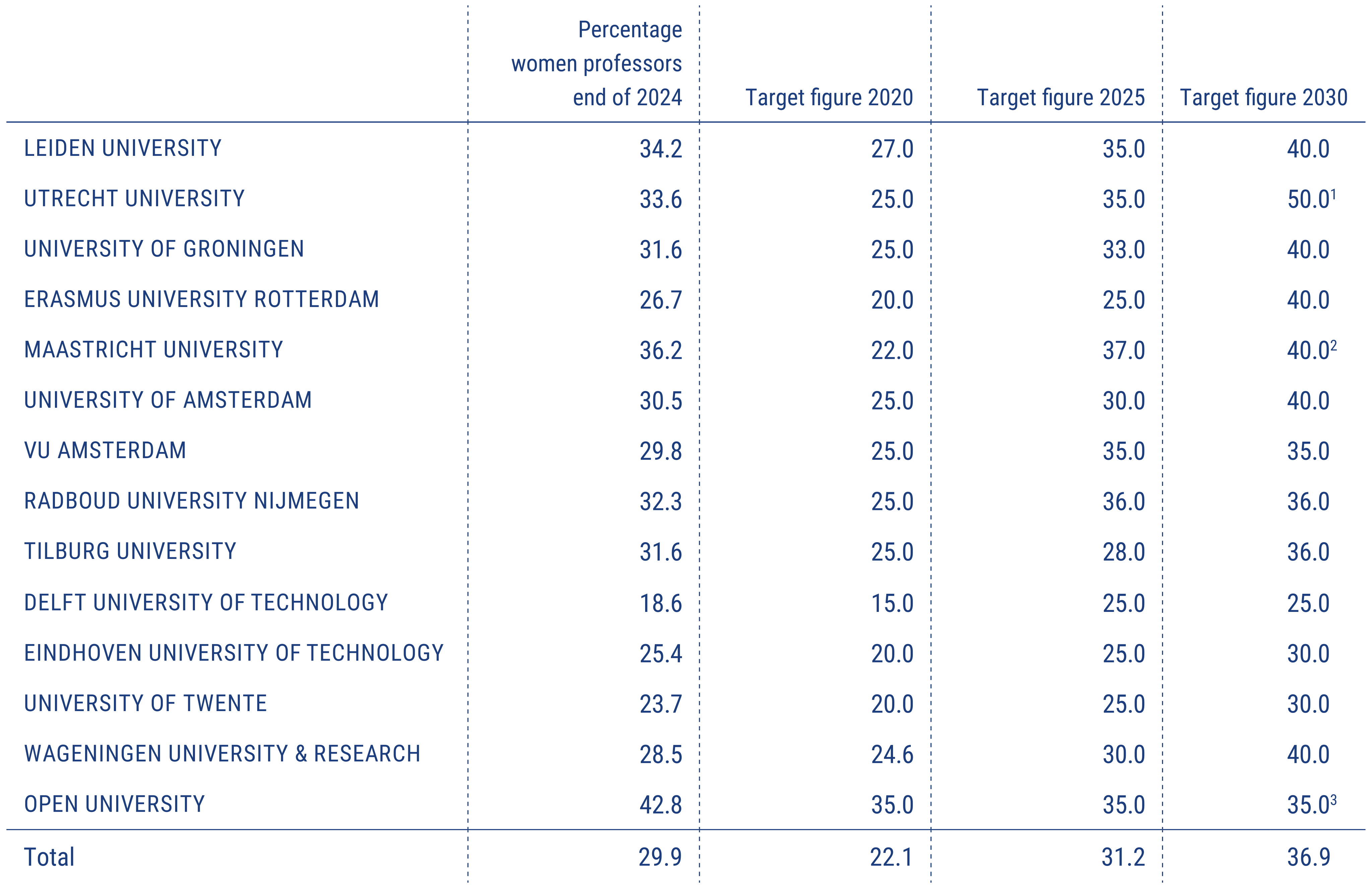
1. Utrecht University has established a ‘target range’ for women full professors. They state that the share of women full professors at UU should be between 40% and 60% by 2030. For the purpose of calculating a sector average, we use the midpoint of this range, namely 50%.
2. This is a provisional target (3 November 2025). A formal administrative decision on this target is still pending.
3. OU employs a small number of full professors. Small changes in absolute numbers have a large impact on the percentages. This represents the lower bound, not the target.
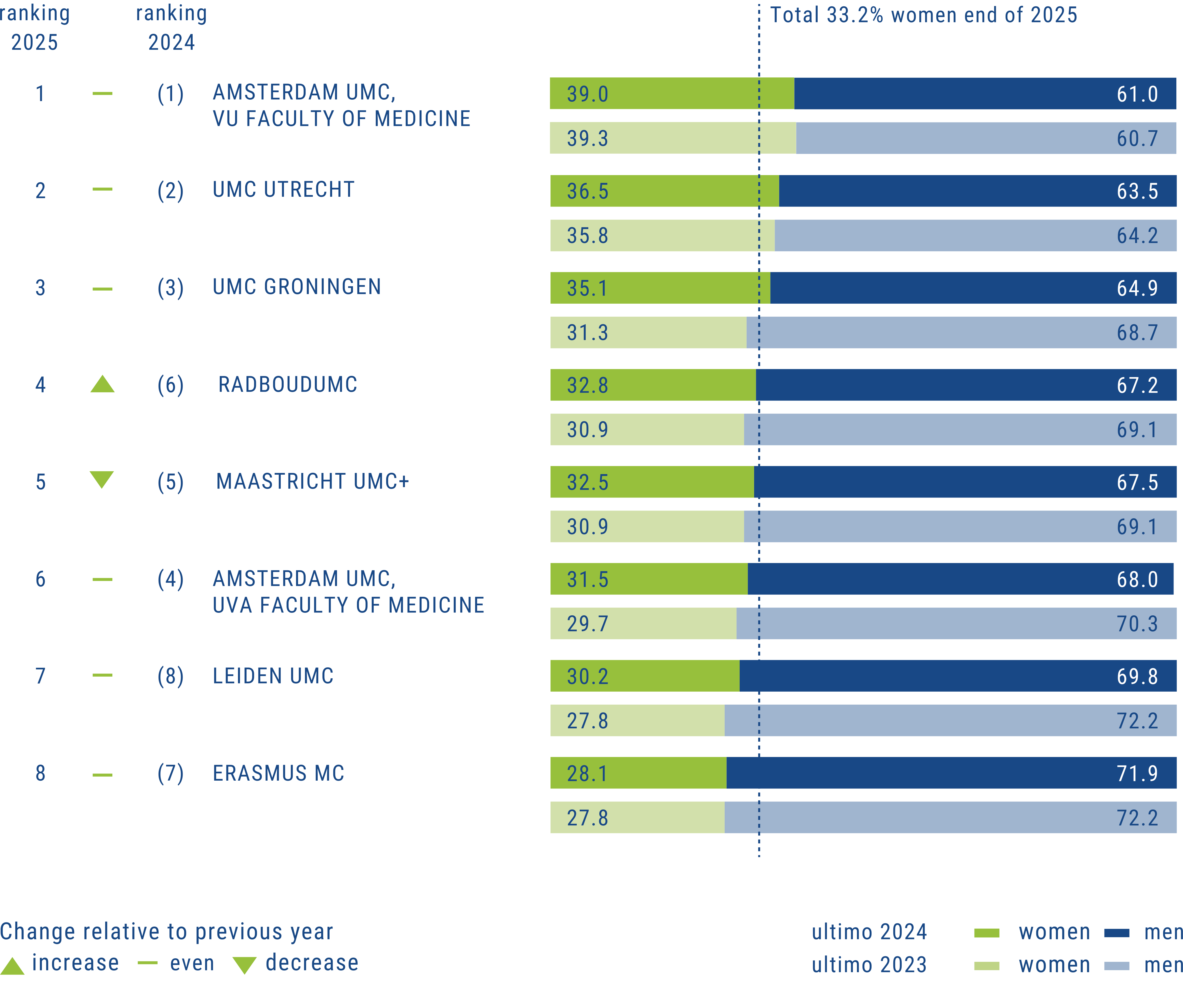
A milestone has also been reached at university medical centers: the proportion of women full
professors increased from 31.6% in 2024 to 33.2% in 2025 .
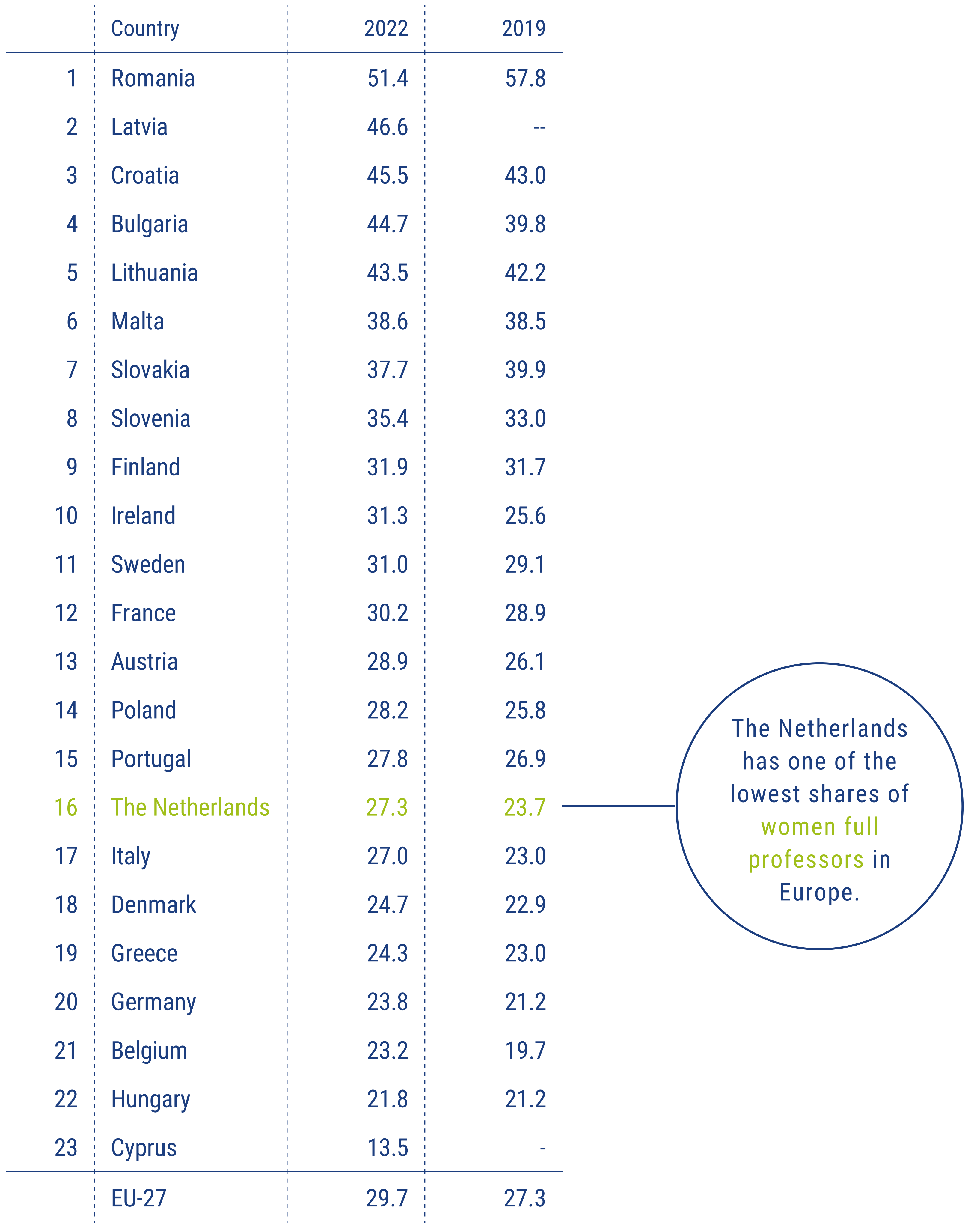
According to the European She Figures 2024, the average share of women full professors in the EU-27 increased from 27.3% in 2019 to 29.7% in 2022. During the same period, the Netherlands grew from 23.7% to 27.3%. This places the Netherlands among the lower ranks of the list; no fewer than 15 countries performed better.
A striking finding in this Monitor is the increased outflow of men aged 60 and above. It is now
clear that the long-anticipated, relatively large-scale exit of this group has begun. Combined with
a more than sufficient talent pool, this offers exceptional prospects for the future. Institutions,
however, must act on this opportunity and ensure a work culture that focuses on attracting and
retaining female talent.
Across all disciplines, more than 100% (108.1%) of the expected outflow of full professors can
be replaced by women associate professors. This means the replacement potential has
increased by 7.9 percentage points in just one year.

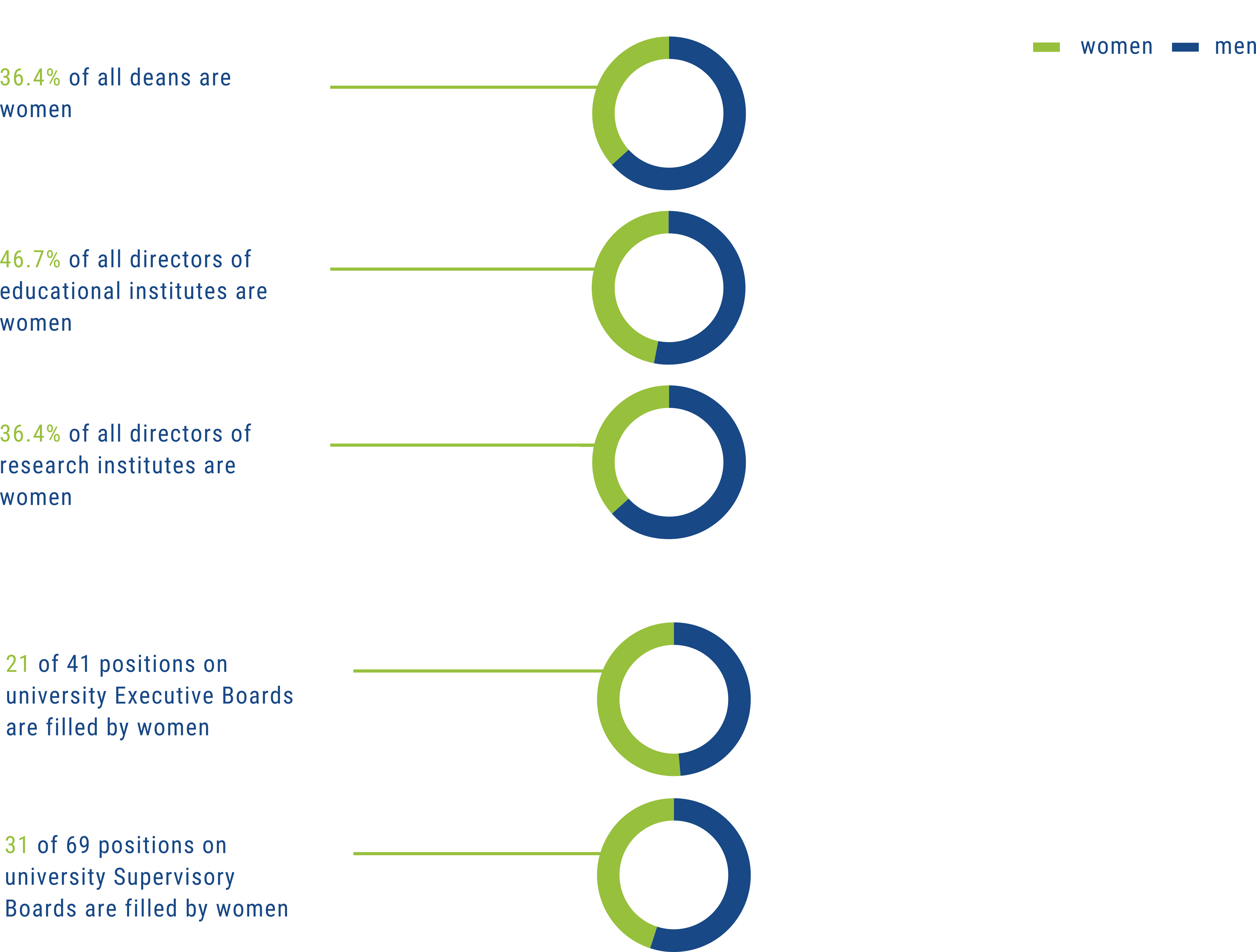
For the first time, women constitute more than half of the members of university executive
boards: 51.3%. This is an important milestone , although the share of women in supervisory
boards lags behind at 44.9%. At other levels of academic management, we see movement but not
yet parity. The proportion of women deans increased slightly to 36.4%, while the share of women
directors of educational institutes decreased from 57.9% to 46.7%. Among directors of research
institutes, the percentage remained virtually unchanged at 36.4%.
Notably, women are still better represented in educational management than in research and
integrated management - roles that typically carry greater influence and authority. These figures
underscore that gender equality is not only about progression to professorship but also about
access to key positions in academic governance and management.
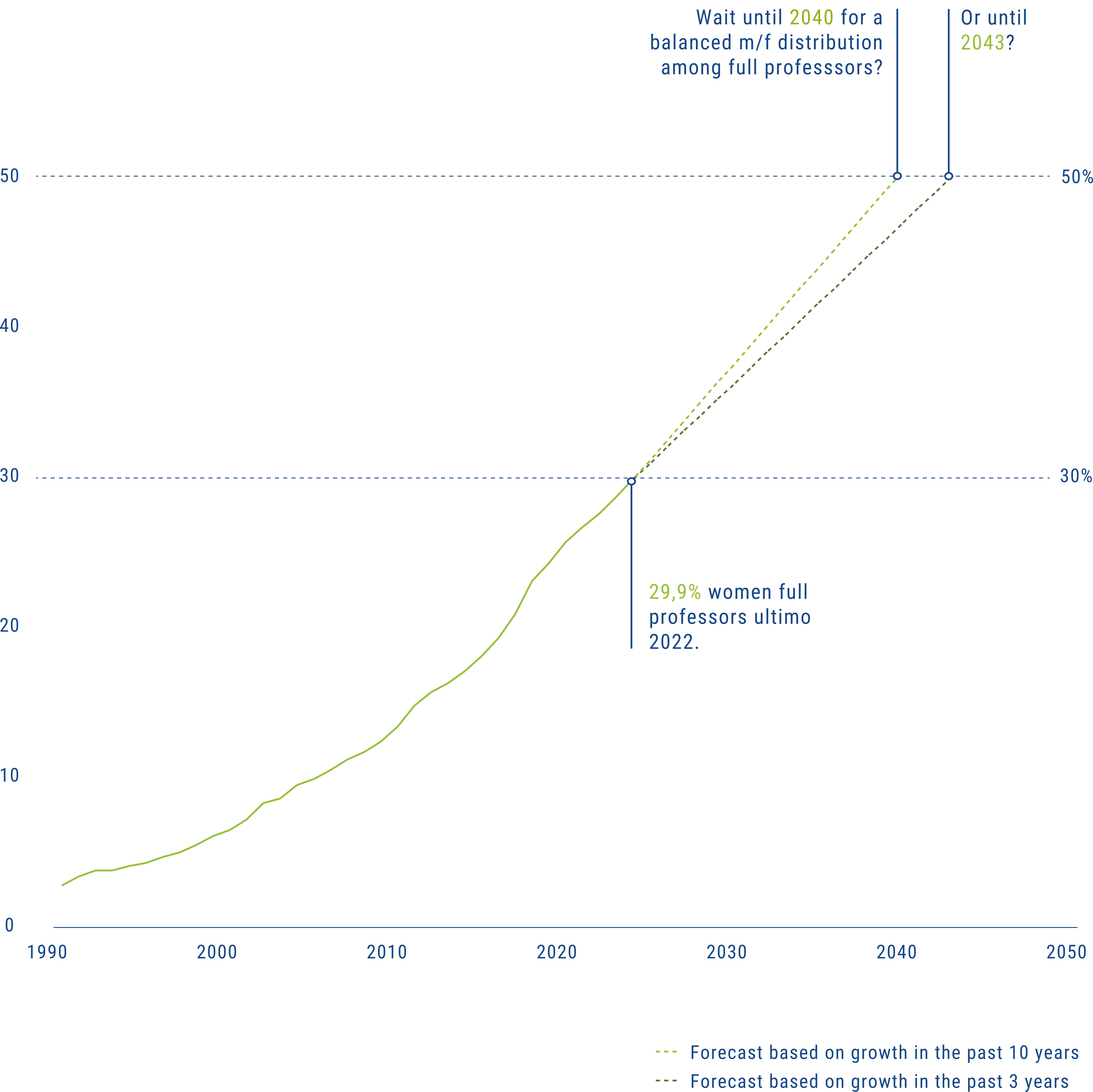
If the current growth rate continues, gender parity among full professors will not be achieved until 2040. Based on growth over the past two years, projections indicate that a 50/50 distribution will only be reached in 2043.
This is just a glimpse of the data presented in the Monitor. Browse through the full report for
insights on topics such as the Glass Ceiling Index, gender differences in age, contract size and
type, salary scales, academic disciplines, management positions, UMCs, and much more.
Finally, we draw attention to Chapter 5, which for the second consecutive year reports the gender
distribution within NWO and KNAW institutes. This enables cautious year-on-year comparisons
and provides insight into developments. With this expansion, we can offer a more detailed
picture of the entire sector.
We also highlight the recently introduced section on the composition of scientific staff by origin.
For the fourth year in a row, we provide data on the gender distribution among staff with an
international background—information that is highly relevant for tailoring gender equality
policies.
This Monitor also includes data on the UNL WOPI variable “Gender,” specifically the category
“Other.” Although this designation leaves much to be desired - and LNVH advocates for renaming
- it does open the door to moving beyond the traditional binary registration and representation of
data. More on this in the Monitor itself.
Would you like to receive a print version of the Monitor? Please let us know!
Downloads
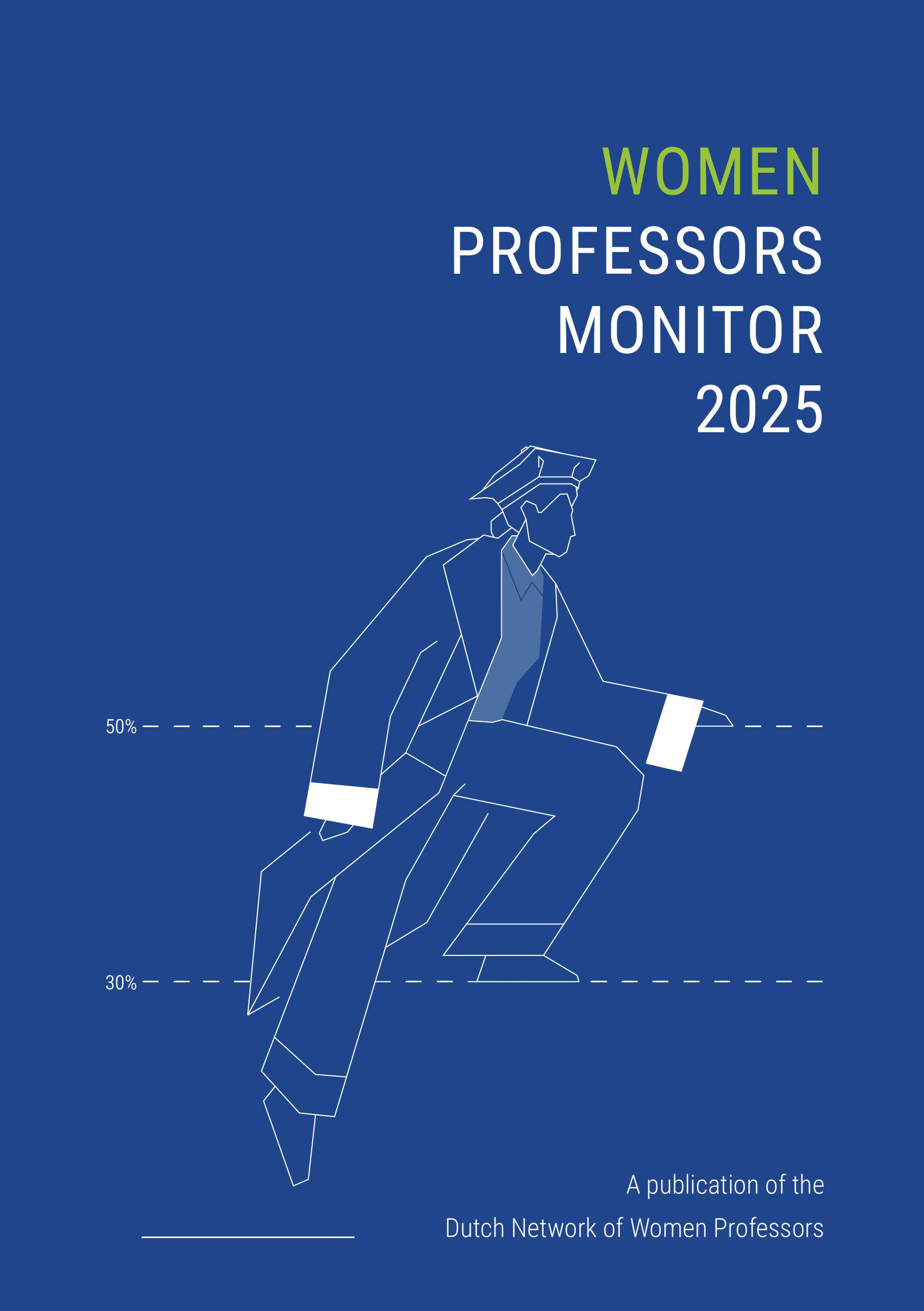 monitor 2025 (EN)
 figures 2025 (EN)
Download the previous Monitors
The Dutch Network of Women Professors is a national network, knowledge platform, and advocacy organization with more than 1,800 affiliated women associate and full professors. LNVH works toward proportional representation, improved career prospects for women in science regardless of discipline or background, and an inclusive, safe academic environment where equal pay is the norm. Each year, LNVH publishes the Women Professors Monitor, which provides insight into the current gender balance in academia and the percentages of women academics and administrators at Dutch universities, university medical centers, and other scientific organizations. The Monitor forms the foundation for measures and policies on gender diversity, drives action, and identifies obstacles in the still inadequate progression of women to the top.